Round Robin or Knockout: What Does Each Format Reward?
Round robin or knockout formats reward different strengths. Learn how each handles consistency, pressure, recovery and the route to a champion.
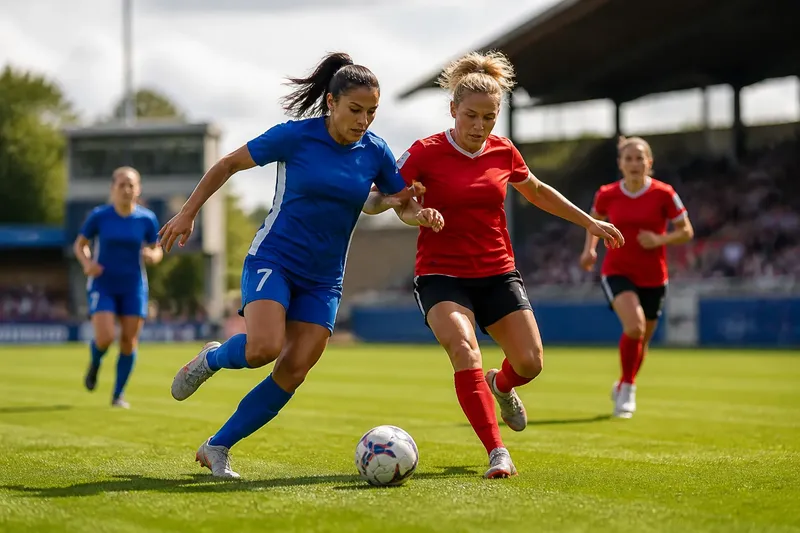
Round robin or knockout: which format gives a team more chance to show what it can do? The answer depends on what the competition is meant to reward: steady results across repeated contests, or success when each contest may be the last.
The format shapes the cost of a poor performance, the value of recovery and how much a title reflects a campaign rather than a single decisive match. Neither is automatically fairer or more exciting; each makes a different bargain with the field.
What is the difference between round robin and knockout?
A round-robin competition gives each entrant a set of matches against other entrants, often every other entrant in its group. Results feed into standings, using points or another agreed measure to rank competitors. A team can lose and remain in contention because later results still count.
A knockout competition removes an entrant after a loss, or after losing a tie made up of multiple contests. Winners advance through successive rounds until one remains. The bracket may be seeded, drawn or arranged through preliminary rounds, but elimination is its defining feature.
In a round robin, the route to the title is a table: each result contributes to a larger record. In a knockout, it is a chain of hurdles: one defeat can end the campaign. The difference is like a notebook and a trapdoor. The notebook keeps earlier entries; the trapdoor does not.
What does a round robin reward?
A round robin rewards consistency across the matches included in its standings. A team that performs usefully against several opponents has more ways to recover from a poor afternoon than one relying on a single standout result.
It can also reward adaptability. Opponents bring different styles, and a team may need to change its approach from match to match. The format gives those adjustments room to matter instead of making the campaign hinge on one tactical mismatch.
That does not mean a round robin identifies the objectively strongest entrant in every circumstance. A group may be small, opponents may differ in quality, and fixture order can affect what teams know before they play. Tie-break rules matter too: head-to-head results, score difference, total points or a separate contest can produce different rankings from the same wins and losses.
Round robins can favour squad depth as well as consistency. Across a sequence of matches, a team may need to manage substitutions, suspensions, fatigue and changing conditions. A side with more ways to maintain its level can have an advantage over one relying on a narrow set of players or tactics.
What does a knockout reward?
A knockout rewards winning the contest in front of you. A team need not build the strongest overall record; it must advance through each required match. Preparation for a specific opponent, clear decisions under pressure and the ability to respond when a match turns difficult all matter.
A single performance becomes unusually consequential. A lower-ranked entrant can eliminate a favourite by taking its chance on the day, while a strong side can go out despite earlier good results. This volatility is not a flaw that can simply be designed away; it is part of what the format asks competitors to handle.
Some knockout events use two-legged ties, in which each side plays at home or in a designated setting and the combined result decides who advances. Others use one match, with extra time or a tie-break procedure if the contest remains level. A longer tie can soften the effect of one poor spell, while a single match places more weight on immediate execution.
Knockout play rewards emotional control, but that does not mean nerves disappear. Competitors still face uncertainty; they simply have less room to recover through later rounds if they lose. A team must focus on the current contest rather than treating the prospect of elimination as a useful tactical plan.
Which format gives competitors more room to recover?
Round robin usually gives more room to recover from one defeat because later matches remain available. Recovery is conditional, though: a loss can leave a team needing help from other results, and a tie-break may punish a narrow margin that seemed harmless at the time.
In knockout play, recovery may happen within a match rather than across a campaign. A side can concede early, change tactics and still win, but a defeat at the final whistle normally ends its route to the title. A replay, second leg or lower-bracket route changes that calculation, so the event’s rules matter more than the label alone.
Imagine a fictional five-team group in which a team loses its opening match, then adjusts its pressing and wins its remaining games. In a round robin, those results could return it to contention, depending on the standings rules. In a single-elimination bracket, the opening loss would end its run. The invented situation illustrates the different recovery routes, not a promise about how any real competition will rank teams.
Which format is fairest for deciding a champion?
Fairness depends on what the organiser wants the title to represent. If the aim is to recognise the best record across several opponents, a round robin gives a broader set of results a role. If the aim is to identify the entrant that can win a sequence of decisive contests, knockout play fits that purpose.
A round robin can seem fairer because each entrant has more than one opportunity to establish a record. Its fairness still depends on balanced scheduling, clear standings rules and a sensible way to resolve ties. If one team meets a difficult opponent early and another meets that opponent after its position is secure, fixtures can shape incentives as well as results.
A knockout bracket can be easier to follow, but a draw or seeding decision may create an uneven route. One half might contain several leading teams while the other offers a clearer path. Seeding can reduce some imbalances, though it cannot remove the greater consequence of a single match compared with a longer league stage.
For organisers, the useful question is not which format is perfectly fair. It is which sources of uncertainty are acceptable: uneven schedules, tie-break calculations, the influence of a draw or the possibility that one off-day ends a title campaign. Rules should make those trade-offs visible before play begins.
How do schedules and field size affect the choice?
A round robin requires enough time and suitable fixtures for entrants to meet as planned. As the field grows, the number of matches can become difficult to fit around available venues, dates and officials. Groups can limit that burden, but some opponents then never meet, and group placement matters more.
Knockout competitions can require fewer matches to produce a champion, especially when entrants are eliminated promptly. A preliminary round may be needed if the field does not fit the bracket neatly. Some entrants may receive a bye, saving them a match but giving them a different route and amount of playing time.
There are hybrid formats. A tournament may begin with round-robin groups and send the leading entrants into a knockout stage. The group phase rewards a body of results and offers room to recover; the later bracket provides decisive matches. It also raises a design question: do earlier standings carry forward, or does the knockout stage start on level footing?
Calendar pressure can affect what a format rewards. When matches are close together, squad depth and recovery management matter more; with generous gaps, teams may prepare more specifically for each opponent. Organisers should consider travel, venue access and competition rules alongside the intended sporting character.
What should you check when comparing round robin or knockout?
Look beyond the format’s name and check how the event actually works. These questions reveal the route to the winner and the points at which the format changes its demands.
Does every entrant play every other entrant?
In a full round robin, each entrant faces every other entrant in the group. A group stage or partial league may include only selected opponents, so its table reflects that schedule rather than a complete comparison of the field.
What happens when teams finish level?
Check the published tie-break sequence, including whether results between tied teams come before overall score difference or another measure. If the rules allow a play-off, check when and how it is arranged.
Can a team survive a loss?
In a standard knockout, a loss ends the title route, though a two-legged tie, replay or lower bracket may provide another contest. In a round robin, later matches remain, but the standings can still make recovery impossible.
How are places in the bracket decided?
Find out whether entrants are seeded, drawn or placed according to group results. That decision shapes potential opponents and the route to the final, even when the competition’s headline format stays the same.
Which format suits a particular competition?
Round robin suits competitions that can accommodate repeated fixtures and want a title to reflect results across a field. It works well for leagues and compact groups where entrants can meet regularly, provided standings and tie-break rules are clear to participants and spectators.
Knockout suits events with limited time or a strong emphasis on direct elimination. It can make each contest easy to follow and give the event a clear progression, but entrants and spectators should know how ties, extra time, replays and byes work before the bracket begins.
For a mixed event, organisers can use a group stage to reduce the chance that one early defeat ends a campaign, then use a knockout phase to decide the champion. That combines two kinds of reward rather than removing every trade-off. A team can be consistent enough to reach the bracket and still need to win its decisive matches.
When comparing round robin or knockout, ask what achievement the title is meant to recognise. Round robin gives more weight to consistency across scheduled contests; knockout gives more weight to advancing through high-stakes contests. The format is part of the competition’s definition, not a neutral container around it.
For a spectator, checking the tie-break order and bracket route is often enough to read the stakes correctly. A team may be playing for a place, a better seed or survival, and those are different goals even when the scoreboard looks much the same.